
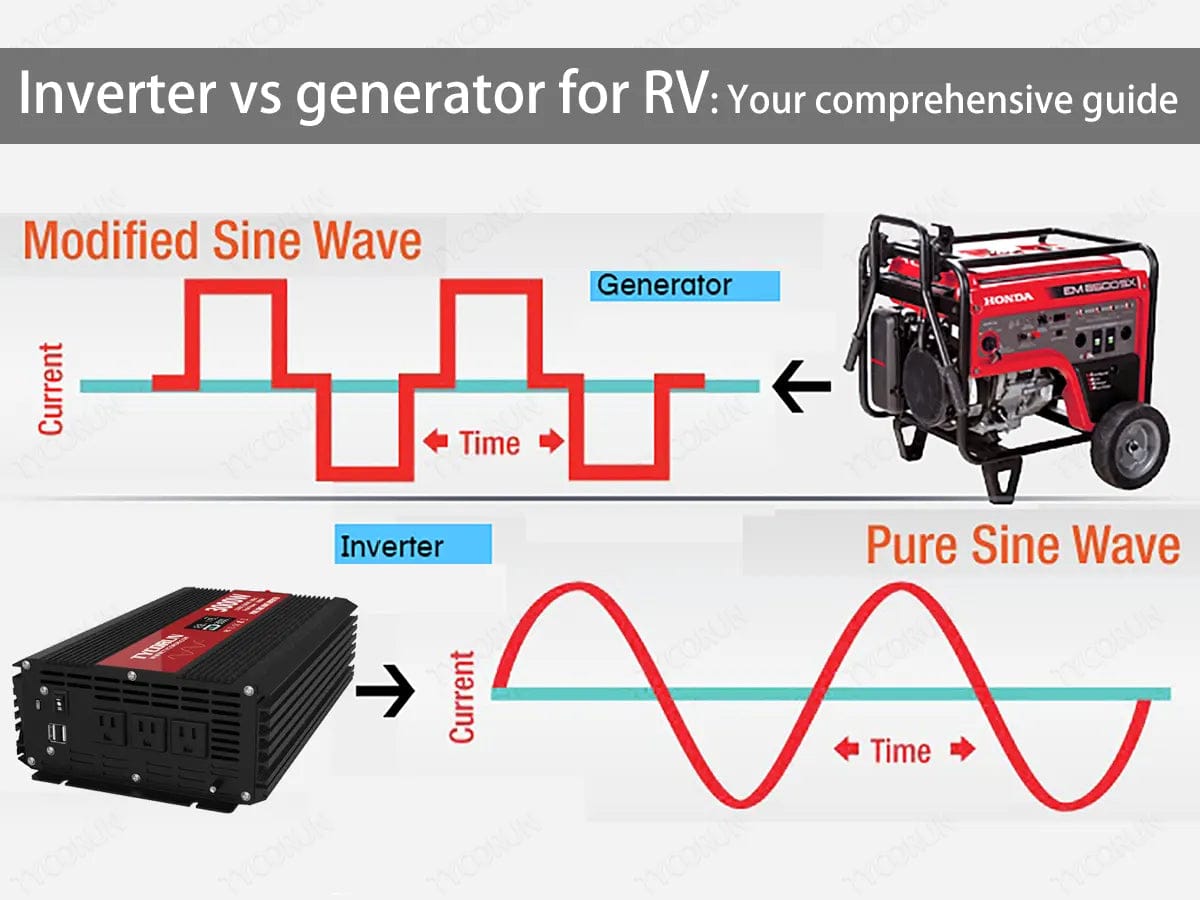
When it comes to choosing a power source for your home or outdoor adventures, you might find yourself torn between an inverter generator and a traditional generator. Both have their unique benefits, but which one is right for you?
Understanding the differences can save you money and give you peace of mind. Imagine having a reliable power source that keeps your devices safe and runs quietly, or the sheer power of a traditional generator that can handle heavy loads.
You need to know what fits your lifestyle and needs. This guide will break down the key features, advantages, and drawbacks of each option. By the end, you’ll have the clarity you need to make an informed decision. Let’s dive in!
Inverter Generators And Traditional Generators
Choosing between inverter generators and traditional generators can feel overwhelming. Both types have unique features and benefits tailored to different needs. Understanding their differences can help you make the right choice for your power needs.
Inverter Generators
Inverter generators are known for their advanced technology. They produce cleaner power, making them ideal for sensitive electronics like laptops and smartphones. This means you can charge your devices without worrying about damaging them.
These generators are also quieter than traditional models. If you’ve ever camped next to a loud generator, you know how disruptive it can be. With an inverter generator, you can enjoy your outdoor activities without the noise ruining the atmosphere.
Another advantage is their fuel efficiency. Inverter generators adjust their engine speed based on the load, which saves fuel. You’ll spend less time refueling and more time enjoying your power source.
Traditional Generators
Traditional generators are often larger and provide more power output. They work well for heavy-duty tasks, such as running power tools on a job site. If you need a reliable source for significant energy demands, a traditional generator might be the right choice.
These generators are typically more affordable upfront. If budget constraints are an issue, this could be a significant factor. However, consider the long-term costs like fuel consumption and maintenance.
One downside is their noise level. Traditional generators can be quite loud, which may not be suitable for all environments. If you’re in a residential area or camping, the noise might disturb others.
Which One Is Right For You?
Assess your power needs before making a decision. Are you powering sensitive electronics, or do you need to run heavy machinery?
- If portability and quiet operation are priorities, go for an inverter generator.
- If you require high power output and plan to use it for extended periods, consider a traditional generator.
Your personal experiences can also guide your choice. Have you ever had a device damaged by a power surge? That’s where inverter generators shine.
Think about where and how you will use your generator. Whether it’s for camping, home backup, or construction, your specific needs will dictate the best option. What factors matter most to you: noise, power, or cost?
How They Produce Electricity
Understanding how inverter generators and traditional generators produce electricity is essential for choosing the right one for your needs. Each type has a unique mechanism that affects efficiency, portability, and the quality of power generated. Let’s break down the differences in their electricity production methods.
Traditional Generators: The Basics
Traditional generators work on a straightforward principle. They convert mechanical energy into electrical energy using a process called electromagnetic induction.
- A gasoline or diesel engine powers a rotor.
- The rotor spins within a magnetic field, producing electricity.
- This electricity is then sent to your devices.
While effective, traditional generators often produce “dirty” power, which may not be suitable for sensitive electronics. Have you ever noticed your laptop acting up when connected to a generator? This can be due to voltage fluctuations.
Inverter Generators: A Modern Approach
Inverter generators take a more sophisticated route. They first generate AC (alternating current) power, then convert it to DC (direct current), and finally back to clean AC power.
- The process starts with a small engine.
- This engine drives an alternator, creating raw AC power.
- Then, an inverter converts the raw AC to stable, high-quality AC output.
This method results in cleaner electricity, making inverter generators ideal for sensitive devices like smartphones and laptops. Have you ever tried charging your phone with a traditional generator? It’s risky, and inverter generators eliminate that worry.
Efficiency And Noise Levels
Inverter generators are generally more efficient. They adjust their engine speed based on the power demand. This means they use less fuel, saving you money in the long run.
Moreover, they operate quietly, which is a significant advantage if you’re camping or hosting an outdoor event. Wouldn’t you prefer a peaceful environment over a loud, rumbling engine?
In contrast, traditional generators often run at a constant speed, consuming more fuel and generating more noise. This can be a dealbreaker for many outdoor enthusiasts.
Portability And Usability
When it comes to portability, inverter generators usually win. They are lightweight and compact, making them easy to transport.
Have you ever struggled to move a heavy traditional generator? The hassle can be discouraging, especially if you need power on the go. Inverter generators often come with convenient handles and wheels.
Choosing between these two types depends on your specific needs. Consider your power requirements, the devices you’ll be using, and the environment where you’ll use them. What do you value more: efficiency or raw power?
Fuel Efficiency Comparison
Fuel efficiency is a key factor when deciding between an inverter generator and a traditional generator. Knowing how each performs can save you money and provide peace of mind during power outages or outdoor adventures. Let’s break down the fuel efficiency of both options.
Inverter Generators: Efficiency At Its Best
Inverter generators are designed to be more fuel-efficient. They adjust their engine speed based on the power demand. This means they use less fuel when the load is low, which can lead to significant savings over time.
Many users report that inverter generators can run up to 8-12 hours on a single tank of gas, depending on the load. For example, if you’re using it for camping, you might only need to refuel every other day. This efficiency is a game-changer for extended trips.
Traditional Generators: A Thirsty Alternative
Traditional generators usually run at full speed regardless of the load. This constant operation leads to higher fuel consumption. If you’re powering multiple devices, the fuel costs can add up quickly.
- Typical runtime: 6-8 hours on a full tank.
- Higher fuel costs over time.
Many people find themselves refueling more often than they expected. Have you ever been caught without enough gas during an important event? It’s frustrating, and it can happen with traditional generators.
Real-world Examples
Consider a scenario where you need power for a weekend camping trip. If you choose an inverter generator, you might only need to refuel once. On the other hand, a traditional generator could require multiple refuels, leading to extra costs and hassle.
Users have shared that the quieter operation of inverter generators also allows them to enjoy nature without the constant drone of a loud engine. This aspect not only saves fuel but enhances the overall experience.
Cost-effectiveness Over Time
While inverter generators may have a higher upfront cost, their fuel efficiency can lead to lower operational costs. Think about your long-term needs. Will you frequently use it for extended periods? If so, the savings on fuel can justify the initial investment.
Consider tracking your fuel expenses for both types over a few months. This simple exercise can provide a clearer picture of which option is more economical for you.
Fuel efficiency is about more than just saving money. It’s about convenience and peace of mind, knowing you can rely on your generator without frequent interruptions. What will you choose for your next adventure or power outage?
Noise Levels And Operation
When choosing between an inverter generator and a traditional generator, noise levels and operation are crucial factors. You might not realize how much noise affects your comfort and the environment around you. Understanding the sound profiles of these machines can help you make a more informed decision.
Noise Levels Of Inverter Generators
Inverter generators are known for their quiet operation. They use advanced technology to produce cleaner and quieter energy. Most inverter models operate at sound levels between 50 to 60 decibels, which is similar to a normal conversation.
- Great for camping:You can enjoy nature without disturbing others.
- Perfect for home use:Your neighbors will thank you.
During a recent camping trip, I noticed how the inverter generator allowed us to enjoy our evening by the fire without the loud hum of a traditional generator. It made for a relaxing atmosphere, enhancing our overall experience.
Noise Levels Of Traditional Generators
On the other hand, traditional generators can be quite loud. They typically operate at noise levels of 70 decibels or higher. This volume can easily disrupt conversations and disturb neighbors.
- Not ideal for quiet areas:You might face complaints.
- Consider placement:Distance from others is crucial.
I’ve been in situations where a traditional generator ran all night at a campsite. The noise kept everyone awake and annoyed. It was a clear reminder of how sound can impact your experience.
Operation And Ease Of Use
Inverter generators are typically easier to operate. They often feature user-friendly controls and advanced technology that automatically adjusts power output based on your needs. This means less hassle and more efficiency.
In contrast, traditional generators require more manual adjustments. You may need to monitor fuel levels and adjust output more frequently. This can be inconvenient, especially during extended use.
Consider your needs carefully. Do you prefer a generator that requires less attention? An inverter generator might be the way to go.
The quieter operation and ease of use of inverter generators provide a compelling case for many users. How much do you value a peaceful environment versus raw power? Your choice will ultimately reflect your lifestyle and priorities.
Portability And Size
When choosing between an inverter generator and a traditional generator, portability and size play crucial roles. You might be heading to a camping trip, preparing for a power outage, or looking to power tools on a job site. The ease with which you can transport and store your generator can significantly impact your overall experience.
Weight Considerations
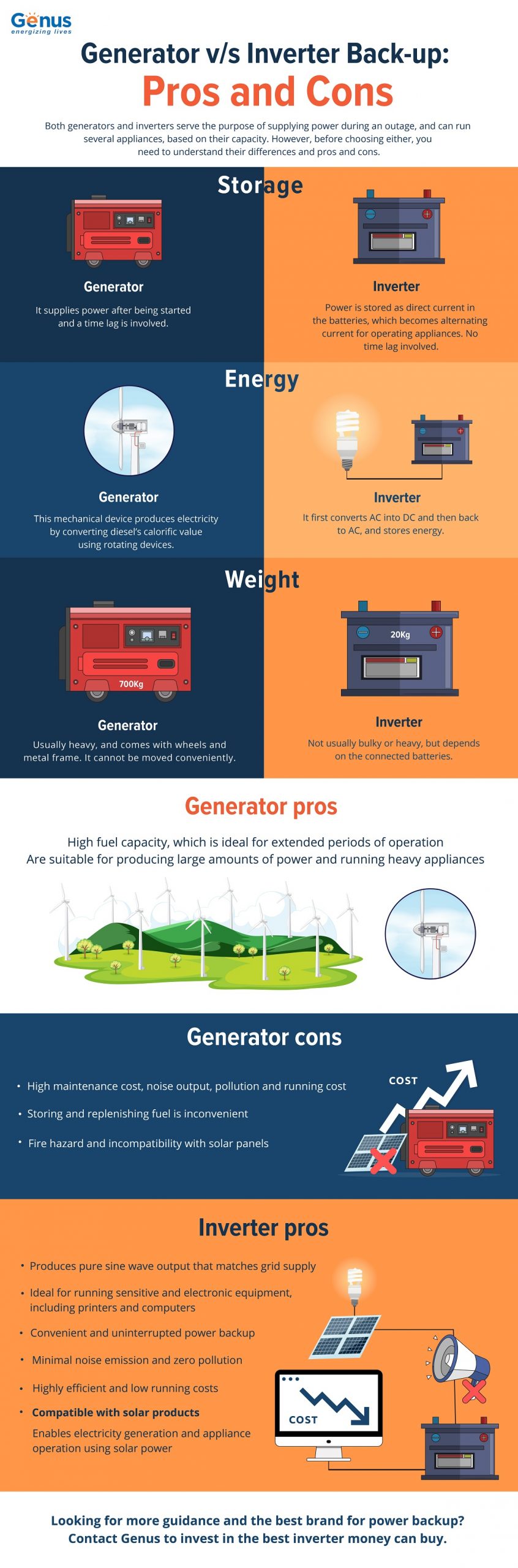
Weight is a primary factor in determining how portable your generator will be. Inverter generators are generally lighter than traditional generators. For instance, a typical inverter generator weighs around 40 to 50 pounds, while a conventional generator can weigh over 100 pounds.
If you find yourself frequently moving your generator, consider how much you can comfortably lift. You want a generator that won’t strain your back when loading it into your vehicle. Are you ready to haul a heavy traditional generator, or would you prefer the ease of an inverter generator?
Size Matters
The size of your generator can affect where you can store it and how easily you can transport it. Inverter generators are often more compact. They can fit neatly in your trunk or even in a small storage shed.
Traditional generators, on the other hand, can take up more space. If you have limited storage room, opting for an inverter may be a better choice. How much space do you have available for your generator?
Design And Features
Many inverter generators come with built-in handles and wheels, making them easier to maneuver. Their design often focuses on user-friendliness, which can be a game-changer in stressful situations like power outages.
Traditional generators might lack these features, making them cumbersome to transport. You might find yourself struggling to lift or move a generator that doesn’t have the right design. Wouldn’t you prefer a generator that you can easily wheel around?
Noise Levels
Portability isn’t just about weight and size; it also includes noise levels. Inverter generators operate quietly, making them ideal for camping or residential areas. You can enjoy your surroundings without the disruptive hum of a traditional generator.
Consider your activities when choosing your generator. If you plan to use it around others, a quieter inverter generator may be the way to go. How important is a peaceful environment to your outdoor experience?
Ultimately, the choice between an inverter generator and a traditional generator hinges on your specific needs. Assess your requirements for portability and size carefully. Think about your lifestyle, and choose the generator that best fits your needs.
Credit: www.genusinnovation.com
Power Output And Capacity
Understanding power output and capacity is crucial. These factors determine how well a generator meets your needs. Inverter generators and traditional generators differ in these areas. Let’s explore these differences.
Power Output Of Inverter Generators
Inverter generators produce clean and stable power. They are ideal for sensitive devices. The output ranges from 1,000 to 4,000 watts. This range suits small appliances and electronics. Inverter generators adjust their power based on demand. This feature saves fuel and reduces noise.
Power Output Of Traditional Generators
Traditional generators offer higher power output. They can generate between 3,000 to 10,000 watts or more. This capacity supports heavy appliances like refrigerators and air conditioners. They run on gasoline, propane, or diesel. They provide consistent power for larger tasks.
Capacity Considerations
Capacity is essential for choosing a generator. Consider what devices you want to power. Inverter generators work well for camping or home backup. Traditional generators suit construction sites or large events. Assess your needs to find the right fit.
Fuel Efficiency And Runtime
Inverter generators are more fuel-efficient. They adjust power based on usage. Traditional generators consume more fuel at full capacity. This difference affects runtime. Longer runtime means less frequent refueling. Think about your power needs before deciding.
Suitability For Electronics
Choosing the right power source for your electronics can significantly impact their performance and longevity. Understanding the suitability of inverter generators versus traditional generators is crucial, especially if you rely on sensitive devices. Let’s break down how each option caters to your electronic needs.
Power Quality
Inverter generators produce clean, stable power. This is essential for sensitive electronics like laptops, smartphones, and gaming consoles. The voltage output remains consistent, preventing spikes that can cause damage.
Traditional generators, on the other hand, often produce “dirty” power. This means fluctuations in voltage can occur. Devices that require stable power may not function properly, leading to potential malfunctions.
Noise Levels
Noise can be a significant concern, especially if you’re using electronics outdoors. Inverter generators tend to operate quietly, making them ideal for camping or backyard events.
Traditional generators can be quite loud. This noise can disturb your activities and impact the performance of sensitive audio equipment. If you value peace and quiet, consider an inverter generator.
Portability matters when you’re on the go. Inverter generators are typically smaller and lighter. This makes them easy to transport, perfect for tailgating or outdoor adventures.
Traditional generators are bulkier and heavier. They might provide more power, but the added weight can be cumbersome. Think about how you’ll be using your generator before making a choice.
Fuel Efficiency
Fuel efficiency can save you money in the long run. Inverter generators adjust their engine speed based on the load, which means they use less fuel when running low-demand devices.
Traditional generators run at a constant speed regardless of load. This can lead to unnecessary fuel consumption. Evaluate how much power you typically need to determine the best option for your budget.
Cost Considerations
Price is always a factor. Inverter generators usually have a higher upfront cost, but they offer better fuel efficiency and longer life. This makes them a worthwhile investment for your electronics.
Traditional generators may be cheaper initially, but their operating costs can add up over time. Consider your long-term needs and budget when selecting the right generator for you.
Have you ever experienced issues with power fluctuations while using your electronics? Your choice of generator could be the key to avoiding those frustrating moments. Prioritize the needs of your devices and choose wisely.

Credit: www.integratesun.com
Cost Differences
Understanding the cost differences between inverter generators and traditional generators can help you make an informed decision based on your budget and needs. While both types of generators provide power, their price points and value can vary significantly. Let’s break down these costs to see what you can expect.
Initial Purchase Price
Inverter generators typically have a higher initial purchase price compared to traditional generators. This is due to their advanced technology and features. You might spend anywhere from $300 to $3,000 on an inverter generator, while a conventional generator can range from $200 to $1,500.
Consider what you need the generator for. If you’re looking for portability and quiet operation, investing in an inverter generator may be worth the extra cost. However, if you need something for heavy-duty tasks, a traditional generator could suffice at a lower price.
Operational Costs
Operational costs can also differ between the two types. Inverter generators are generally more fuel-efficient, which means they can save you money in the long run. You could save up to 30% on fuel costs compared to traditional generators, especially during extended use.
Think about how often you’ll use your generator. If you plan on using it frequently, the lower fuel consumption of an inverter could justify the higher upfront cost. This efficiency can add up significantly over time.
Maintenance And Longevity
Maintenance costs can vary. Inverter generators often require less maintenance due to their simpler design and fewer moving parts. You may find that you spend less on repairs and upkeep over the lifespan of the unit.
On the other hand, traditional generators may need more frequent servicing, which can add to your overall costs. When considering long-term investment, think about how much time and money you want to allocate for maintenance.
Resale Value
Resale value is another important factor. Inverter generators usually retain their value better than traditional generators. If you plan on upgrading in the future, an inverter generator could fetch a better price.
As you consider your options, ask yourself: How long do you plan to keep the generator? If you’re looking for something that will hold its value, an inverter might be the better choice.
Ultimately, understanding these cost differences can help you choose the right generator for your needs and budget. Evaluating your personal requirements and how you intend to use the generator will guide you in making the most cost-effective decision.
Environmental Impact
The choice between an inverter generator and a traditional generator affects the environment. Understanding their impacts helps in making a better decision.
Noise Pollution
Noise pollution is a significant issue with generators. Traditional generators are loud. They can disturb wildlife and people. Inverter generators are quieter. They produce less noise, making them ideal for camping and residential areas.
Emissions
Generators release harmful emissions. This includes carbon monoxide and nitrogen oxides. Traditional generators often have higher emissions. Inverter generators are more efficient. They produce fewer emissions, which is better for air quality.
Fuel Efficiency
Fuel efficiency matters for environmental health. Traditional generators waste fuel. They run at full power all the time. Inverter generators adjust their output. They use less fuel for the same power needs. This leads to less pollution.
Waste And Longevity
Generators can create waste. Old units often end up in landfills. Inverter generators tend to last longer. They are built with better technology. This means less waste over time.
Impact On Wildlife
Noise and emissions affect local wildlife. Traditional generators can scare animals away. Inverter generators are less disruptive. They allow wildlife to thrive nearby.
Credit: www.duromaxpower.com
Choosing The Right Option
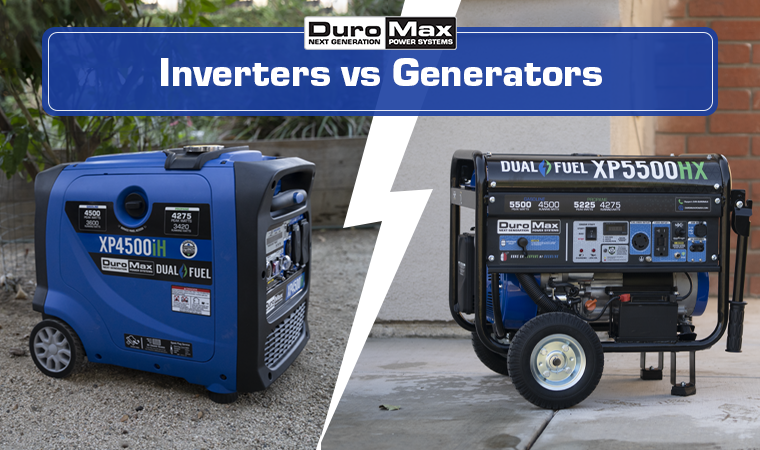
Choosing between an inverter generator and a traditional generator can be tough. Inverter generators are quieter and more efficient. On the other hand, traditional generators often provide more power for larger tasks. Consider your needs before making a decision.
Choosing the Right Option Deciding between an inverter generator and a traditional generator can be a daunting task. Your choice will depend on your specific needs, usage, and budget. Understanding the differences can help you make an informed decision.
Understanding Your Power Needs
Start by evaluating what you need to power. Are you looking to run essential appliances during an outage or power tools for a project? Make a list of devices you plan to use. – Inverter Generators are great for sensitive electronics like laptops and smartphones. – Traditional Generators can handle larger loads but might not be suitable for delicate equipment. Knowing your power requirements helps narrow down your options.
Portability And Ease Of Use
Consider where you’ll use the generator. Will you take it camping or use it at home? Inverter generators are typically lighter and quieter, making them ideal for outdoor activities. – They often come with easy-to-carry handles. – Many models have user-friendly controls. Traditional generators are bulkier but can produce more power. If you need something stationary, they might be your best choice.
Budget Considerations
Your budget plays a crucial role in your decision. Inverter generators tend to be more expensive upfront but can save you money in fuel over time due to their efficiency. Traditional generators usually have a lower initial cost, but they may consume more fuel. Think about your long-term expenses and weigh them against your initial investment.
Noise Levels And Environment
Noise can be a significant factor, especially if you’re using the generator in a residential area. Inverter generators operate quietly, making them suitable for camping or backyard use. On the other hand, traditional generators can be quite loud, which may disturb your neighbors. What environment will you be in? Choose a generator that fits your noise tolerance and surroundings.
Maintenance And Lifespan
Maintenance needs can vary between the two types. Inverter generators often require less upkeep due to their advanced technology. Traditional generators may need more frequent oil changes and checks. Consider how much time you’re willing to invest in maintenance. A low-maintenance inverter generator might be the better option if you’re busy. Making the right choice between an inverter generator and a traditional generator is all about understanding your specific needs. Think about how you’ll use it, where you’ll use it, and what your budget looks like. With the right insights, you can confidently pick the option that best suits your lifestyle.
Frequently Asked Questions
What Is An Inverter Generator?
An inverter generator produces clean and stable power. It’s great for sensitive electronics.
How Does A Regular Generator Work?
A regular generator converts mechanical energy into electrical energy. It uses fuel to create power.
What Are The Benefits Of An Inverter Generator?
Inverter generators are quieter, lighter, and more fuel-efficient than regular ones. They also produce cleaner power.
Are Inverter Generators More Expensive?
Yes, inverter generators usually cost more than regular generators. They offer better features and efficiency.
Can I Use An Inverter Generator For My Home?
Yes, you can use an inverter generator for home backup power. Make sure it has enough wattage.
How Long Can An Inverter Generator Run?
Most inverter generators can run for 8 to 12 hours on a full tank. It depends on usage.
Is Maintenance Different For Inverter Generators?
Maintenance is similar but may include extra care for electronic components. Regular checks are essential.
Can I Connect Multiple Inverter Generators?
Yes, you can connect multiple inverter generators using parallel kits. This increases power output safely.
What Fuel Do Inverter Generators Use?
Inverter generators commonly use gasoline, but some models can run on propane or dual fuel.
Which Is Quieter: Inverter Or Regular Generator?
Inverter generators are usually quieter than regular generators. They are designed for low noise operation.
Conclusion
Choosing between an inverter generator and a regular generator matters. Each type has its own benefits. Inverter generators are quieter and more efficient. They provide clean power for sensitive devices. Regular generators usually offer higher wattage at a lower cost.
Think about your needs before deciding. Will you use it for camping or home backup? Consider your budget, too. Both options can serve you well. Find the one that fits your lifestyle best. Understanding these differences helps you make a smart choice.
Enjoy reliable power no matter which generator you pick.