
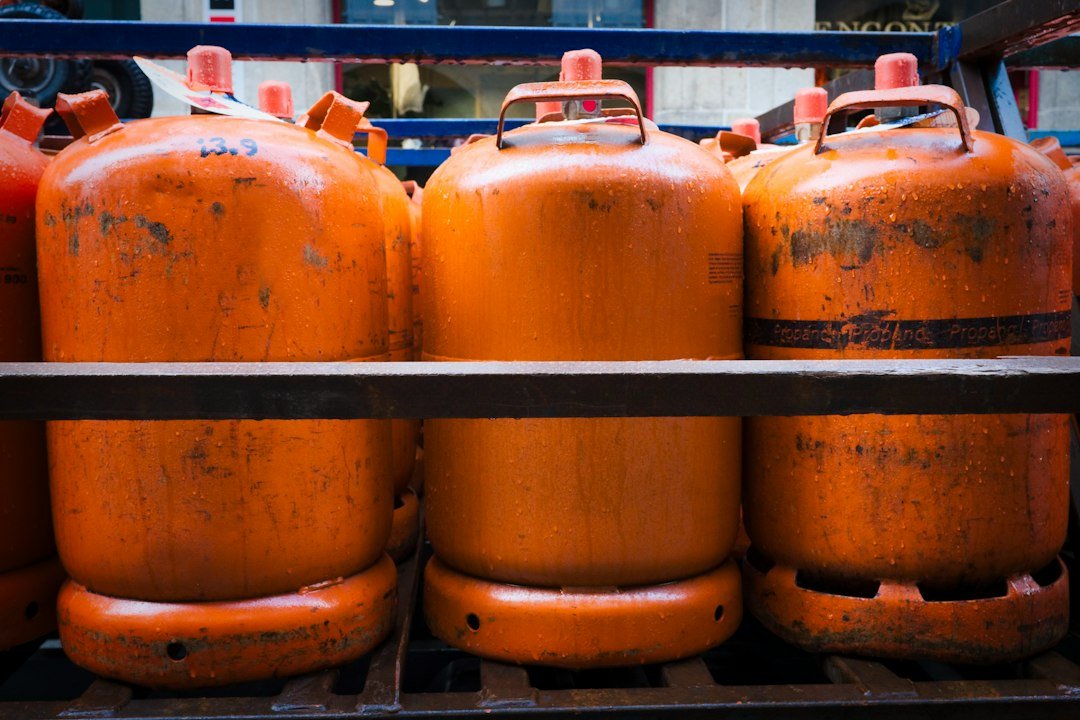
Compare propane and gasoline for winter backup using the generator’s approved fuels, fuel-specific output, starting instructions, and your local supply plan. There is no universal winner established here: the right choice depends on the exact unit and operating conditions.
Featured image: Eric Prouzet.
Compare the actual fuel modes on one generator
First establish whether the generator is designed to operate on gasoline and propane, and identify the exact model and manual. A gasoline-only unit is not a dual-fuel generator simply because an aftermarket conversion is advertised. Use the manufacturer-approved fuel arrangement and its instructions. If comparing two separate machines, record their different engines, continuous ratings, receptacles, and operating requirements so the discussion does not attribute every difference to fuel alone.
Many multi-fuel listings provide separate output ratings for each fuel. Copy the applicable continuous and starting figures into your worksheet and retain their conditions. Do not transfer a gasoline load plan to propane without checking the relevant rating. The generator may still serve the same essential appliances, but that conclusion needs the actual load assessment. Fuel choice is part of the equipment configuration, not merely a decision about what is easier to buy.
Understand why winter adds a supply question
Cold conditions can affect the propane supply available to a portable generator. Generac’s troubleshooting guidance identifies low tank pressure and cold conditions among possible propane-related problems for its supported models. That does not establish one universal temperature cutoff or tank rule for every generator. The exact fuel system, approved cylinder, available fuel, ambient conditions, and demand need to be considered together under the manufacturer’s instructions.
Ask the manufacturer or appropriate service provider which cylinder and regulator arrangement is approved for your model and anticipated conditions. Do not assume a larger tank, a borrowed hose, or a different regulator is an acceptable fix. When propane operation is unreliable, stop and obtain equipment-specific guidance. Do not use flame, improvised heaters, or other hazardous methods to warm a cylinder. A winter plan should resolve supply compatibility before the outage rather than encouraging unsafe troubleshooting under pressure.
Compare fuel readiness, not just storage convenience
Propane and gasoline require different readiness checks. For propane, identify the approved cylinder, its condition, remaining supply, access to replacements or refilling, and the manufacturer’s connection instructions. For gasoline, identify the fuel required by the manual, appropriate containers, storage arrangements, and the generator’s storage and maintenance requirements. Neither fuel is ready merely because a container is somewhere in the garage; the supply must be suitable, available, and safely handled.
Write down who will obtain and handle the fuel during a cold-weather outage. Consider store closures, road conditions, physical access to containers, and whether the intended operator can manage the equipment. These logistics can decide which fuel is practical for your household even when either mode meets the electrical load. Avoid presenting one fuel as universally better without describing the equipment and supply conditions behind the comparison.
Keep output and runtime separate
A fuel-specific continuous rating describes usable output under its stated conditions. A runtime claim describes duration using a particular supply and load. A generator can have a longer published duration on one supply without providing more output on that fuel. Compare the runtime claim’s load percentage, fuel quantity, and operating conditions before drawing conclusions. A propane cylinder and a gasoline tank are not equivalent comparison units merely because each is described as full.
If your planned loads differ from the manufacturer’s runtime test conditions, label the expected duration as uncertain. Do not use a single advertised figure to promise an exact number of heating or refrigeration hours. Record the intended engine hours and the appliances that may operate together. For essential equipment, the plan should include what happens when fuel runs low, operation stops for service, or one fuel mode becomes unavailable.
Build a fair cost comparison
Use local prices and a consistent description of quantity. For gasoline, record the price per gallon and the actual amount purchased. For propane, record whether the payment covers a measured refill or an exchange cylinder with a stated fill weight. Do not treat nominal cylinder capacity as proof of the amount supplied. Include any relevant refill, exchange, delivery, or connection costs in the comparison rather than selecting whichever unit price looks smaller.
For a hypothetical example, suppose a chosen gasoline supply costs $18 and supports six verified operating hours under one recorded load, while a chosen propane supply costs $24 and supports eight hours under comparable conditions. Both examples produce $3 per operating hour. These invented values are not current fuel prices or generator consumption claims. The calculation shows why fuel purchase price alone is insufficient, and why comparison conditions must be stated before a cost-per-hour claim is meaningful.
Use an appliance priority plan for cold weather
Identify the actual equipment you need to support: perhaps a furnace blower, refrigerator, lights, communications, or a pump. An electrically powered blower can have a different demand from electric resistance heating, and both differ from a heat pump. Record the exact appliance’s voltage and running and startup information rather than using the word heating as one generic load. A generator chosen for a small list may not support additional electric heaters just because the weather is cold.
Review simultaneous loads and the available output on the selected fuel. Mark optional loads that should remain off and keep the plan clear for the operator. If a critical appliance’s compatibility is unresolved, obtain reliable information before relying on it. A fuel switch may change available power, so the worksheet should identify the permitted configuration for each mode. Do not assume all planned loads remain acceptable after changing the fuel selector.
Prepare startup and maintenance under the manual
Read the model-specific cold-weather and startup instructions ahead of time. Check the specified oil and the condition of any starting battery according to the manual. Use the required maintenance schedule and record engine hours during an extended outage. Avoid copying a starting sequence from another generator because the controls appear similar. A machine that has sat unused may have readiness issues unrelated to the fuel’s general advantages.
If operation on one fuel fails while another fuel works, record the conditions and contact the relevant manufacturer or qualified service provider. That observation can help diagnose the problem, but it does not prove a single cause. Do not adjust pressure, bypass protection, or improvise fuel-system modifications based on general web advice. Keep the distinction between a planning comparison and a repair procedure clear; this guide is about selecting and preparing a supported arrangement.
Keep outdoor safety unchanged by the fuel
Both gasoline and propane operation in an engine produce an exhaust hazard. Propane is not an indoor-safe fuel choice for a portable generator. Use a suitable outdoor location away from building openings, follow official guidance and the generator instructions, and prepare battery-operated or battery-backup CO alarms. A garage with its door open remains an unsafe operating space. Cold weather does not relax the location requirements.
Plan for snow, ice, and the real cord route without creating an enclosed exhaust space or exposing electrical equipment to unsuitable conditions. If the safe operating location becomes inaccessible, use another emergency arrangement rather than moving the engine beside a window or inside a shed. During gasoline refueling, stop the generator and allow it to cool. Follow the manual for all fuel handling and switching; convenience must not determine a procedure that conflicts with the equipment instructions.
Choose the fuel plan that your household can carry out
A useful winter decision sheet names the generator, the supported fuel mode, its applicable output rating, intended appliances, approved fuel supply, expected operating blocks, maintenance requirements, and backup response. Add local supply prices and the date of the comparison. Leave uncertain runtime or cold-condition information marked unknown until reliable guidance resolves it. This is more useful than choosing propane or gasoline from a slogan.
If both modes meet the load and safety requirements, compare reliable supply access, operator workload, storage readiness, and total operating cost. If one mode has an unresolved supply or compatibility problem, resolve that problem before making it the primary outage plan. A dual-fuel generator can provide flexibility, but flexibility only helps when each intended mode has been prepared according to its actual requirements.
Check the model before the fuel comparison
Read the manual and confirm that the generator is designed for the fuel you intend to use. Record its running and starting ratings separately for each supported fuel. Do not assume a multi-fuel unit delivers the same continuous power on every fuel or that a gasoline-only unit accepts a propane connection.
Ask about cold propane conditions
Generac’s multi-fuel troubleshooting guidance notes that a propane tank may be too cold, reducing vapor pressure. It also points to approved tank requirements and proper fuel-conversion settings. Source: Generac multi-fuel starting guidance. Ask the manufacturer or fuel supplier to review the approved setup for your winter conditions rather than improvising tank heating.
Review gasoline storage and readiness
Generac’s portable-generator FAQ warns that stale gasoline can cause rough running or failure to run. Follow the exact manual’s storage and preparation instructions. Do not rely on old fuel without reviewing its suitability or assume that another engine’s maintenance advice applies. See the portable-generator FAQ.
A useful comparison sheet
| Question | Record for each fuel |
|---|---|
| Compatibility | Approved fuel and equipment requirements |
| Output | Running and starting ratings |
| Starting | Manual procedure and winter limitations |
| Supply | Available quantity and replenishment plan |
| Storage | Manual and supplier requirements |
| Cost | Local price and model-specific consumption |
Compare cost honestly
Do not compare only the price per gallon or tank. Ask for consumption information at a comparable load and keep the units visible. If you do not have equivalent manufacturer data, mark the comparison incomplete. A local fuel price does not independently determine how long your generator will operate.
Winter does not permit indoor operation
CPSC warns never to operate a generator inside a home, basement, shed, or garage. Source: CPSC winter safety guidance. Plan an appropriate outdoor setup and another option if the setup is unsuitable. Keep comfort, convenience, and fuel preference separate from the operating requirements.
2 thoughts on “Propane vs Gasoline Generator in Winter: Questions Before Choosing”