
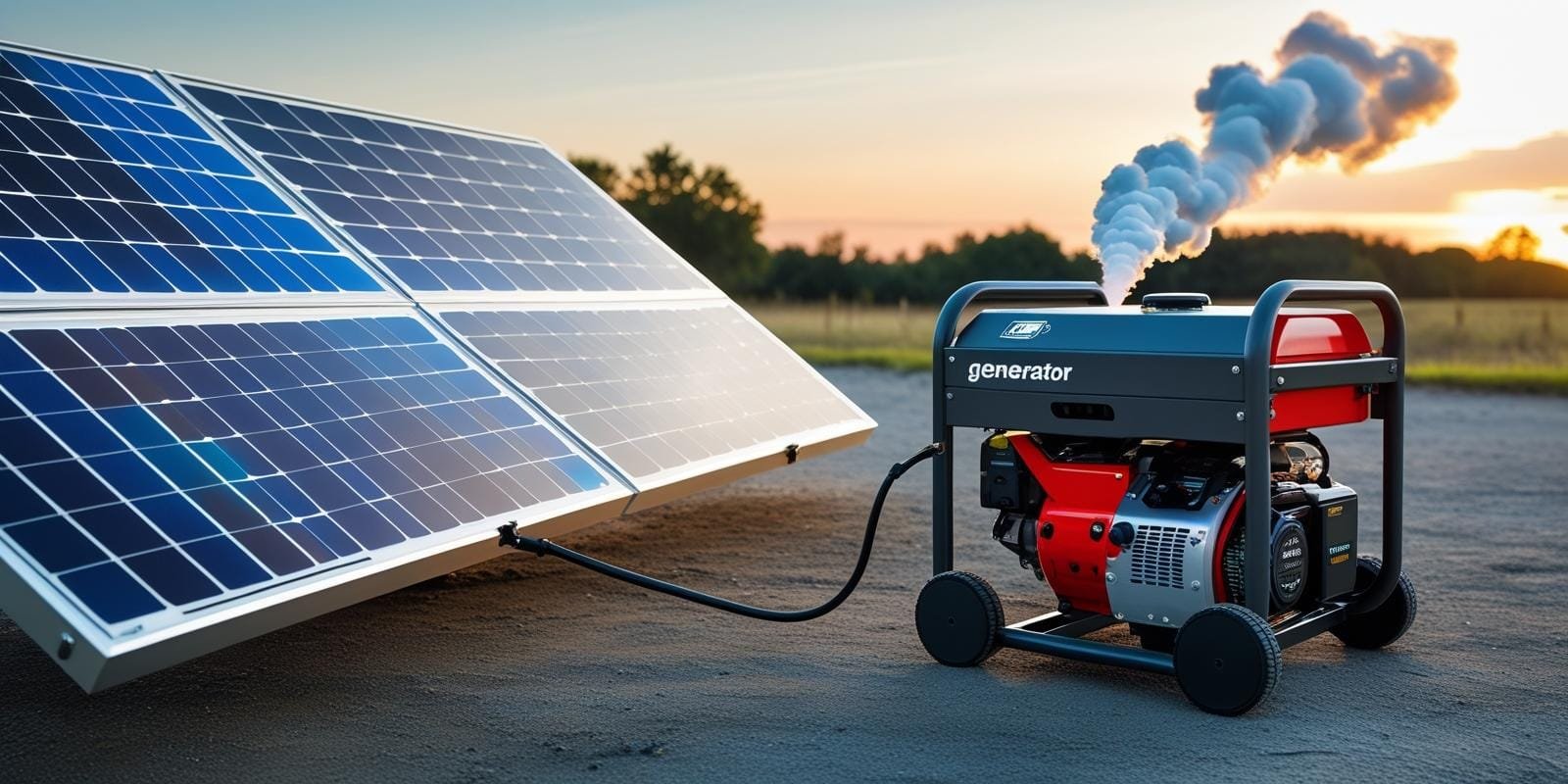
Are you considering a backup power source for your home or outdoor adventures? The choice between a solar generator and a gas generator can be overwhelming.
Both have their pros and cons, but which one is right for you? Imagine having a reliable power source that suits your needs and lifestyle. We’ll break down the key differences, benefits, and drawbacks of solar and gas generators. By the end, you’ll have a clearer picture to make an informed decision.
Let’s dive in!
Energy Source Comparison
Choosing between a solar generator and a gas generator involves understanding energy sources. Each type has its strengths and weaknesses. Solar energy comes from the sun. Gas generators rely on fossil fuels. This section explores these energy sources.
Solar Energy: Clean And Renewable
Solar generators use sunlight to create electricity. They harness energy through solar panels. This energy is clean and abundant. Solar power does not produce harmful emissions. It helps reduce your carbon footprint. Solar energy is renewable. It can be used as long as the sun shines.
Gas Energy: Reliable But Polluting
Gas generators use gasoline or propane. They provide a reliable power source. Gas is easy to find and store. However, burning gas releases pollutants. It contributes to air pollution and climate change. Gas generators are efficient but come with environmental costs.
Cost And Availability
Solar generators require an upfront investment. However, they save money over time. They need little maintenance and no fuel costs. Gas generators have lower initial costs. Fuel prices can add up over time. Availability of gas can vary, especially in emergencies.
Performance In Different Conditions
Solar generators perform best in sunny conditions. They may struggle in cloudy weather. Battery storage can help during low sunlight. Gas generators work well in any weather. They can produce power anytime you have fuel.
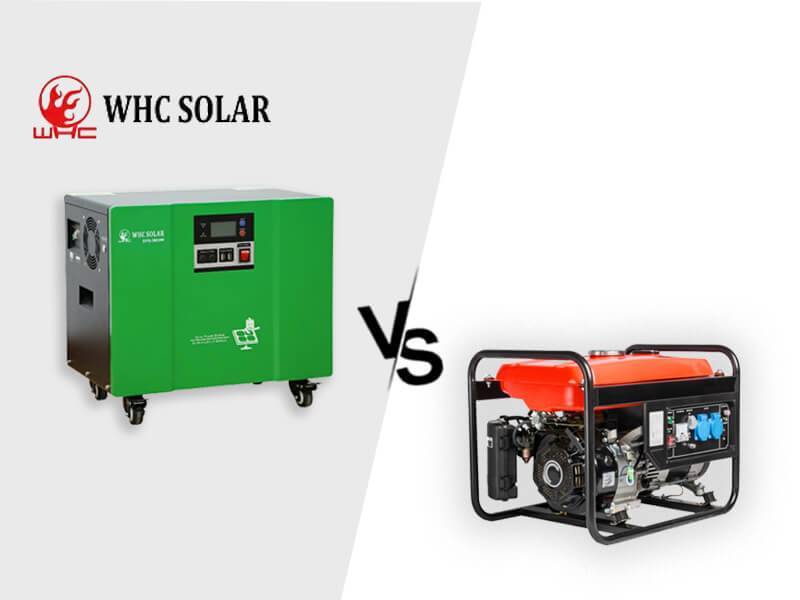
Credit: www.whcsolar.com
Cost Efficiency
Cost efficiency is crucial in choosing between solar and gas generators. Understanding the long-term costs helps you make a smart decision. Initial price, fuel costs, and maintenance play key roles.
Initial Purchase Price
Gas generators usually cost less upfront. Many models are affordable. Solar generators often have a higher initial cost. They require solar panels and batteries.
Fuel Costs
Gas generators need fuel to operate. Fuel prices can vary greatly. This adds to long-term expenses. Solar generators use sunlight, which is free. Once set up, they incur minimal costs.
Maintenance Expenses
Gas generators need regular maintenance. Oil changes and part replacements are common. This can add up over time. Solar generators have fewer moving parts. They require less maintenance.
Long-term Savings
Solar generators provide savings over time. No fuel costs mean lower expenses. Many users report significant savings. Gas generators can become expensive in the long run.
Environmental Costs
Consider the environmental impact. Gas generators emit pollutants. Solar generators produce clean energy. This can lead to hidden costs for gas users.
Environmental Impact
The choice between solar generators and gas generators affects our planet. Each option has a different impact on the environment. Understanding these differences helps make a better decision.
Carbon Emissions
Gas generators release carbon dioxide. This gas contributes to global warming. Solar generators produce no emissions during use. They help reduce air pollution.
Noise Pollution
Gas generators are often loud. They can disrupt wildlife and people. Solar generators operate quietly. This makes them better for peaceful environments.
Resource Use
Gas generators rely on fossil fuels. Extracting these fuels harms ecosystems. Solar generators use sunlight, a renewable resource. Sunlight is abundant and free.
Waste Production
Gas generators create waste from fuel containers. Disposal of these can harm landfills. Solar generators have minimal waste. Their lifespan is longer, leading to less waste.
Long-term Sustainability
Gas generators are not sustainable. Fossil fuels will eventually run out. Solar power is sustainable. The sun will shine for billions of years.
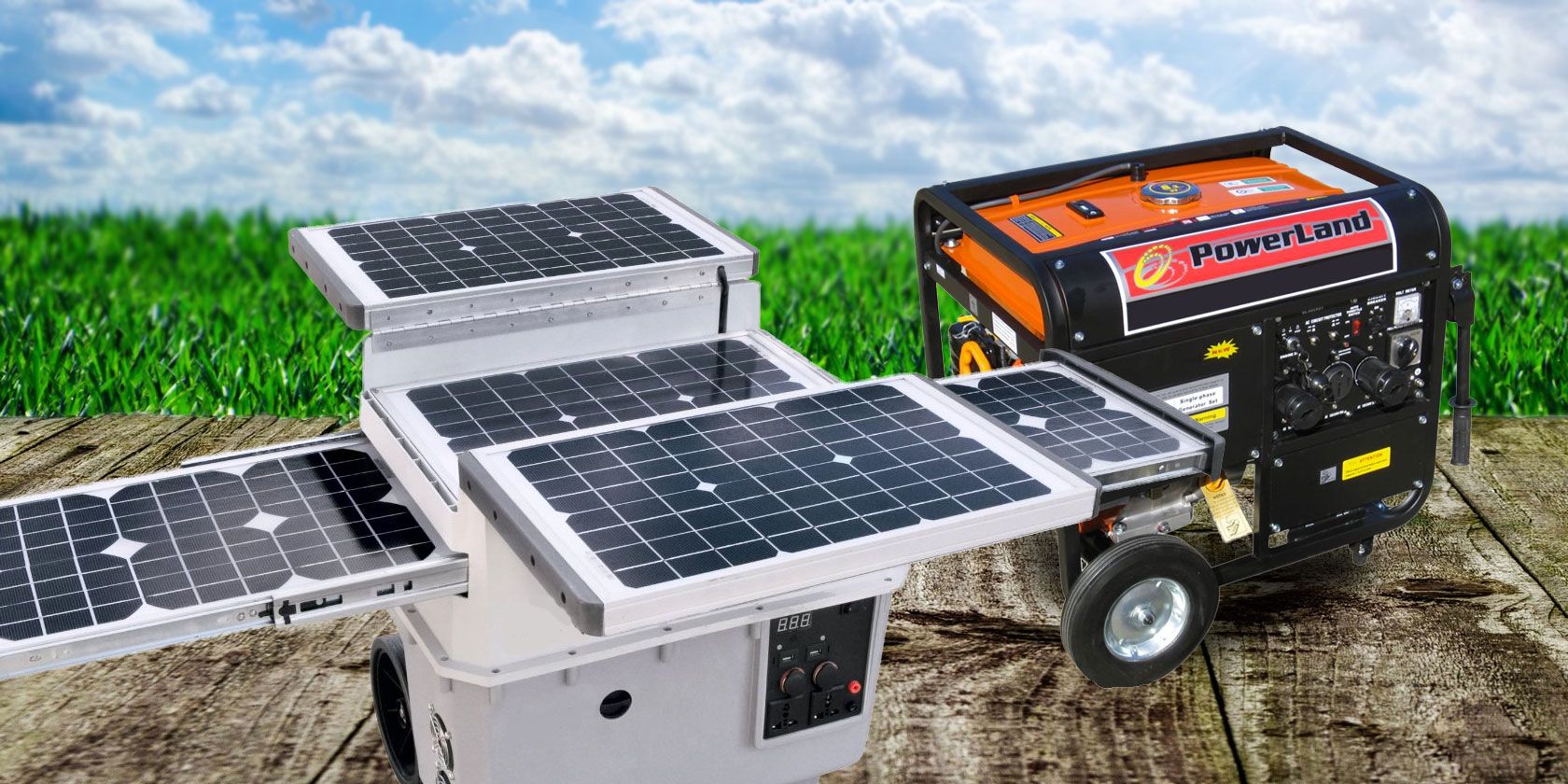
Credit: www.makeuseof.com
Portability And Setup
Solar generators are lightweight and easy to move. They require minimal setup, making them user-friendly. Gas generators can be heavy and need more time to prepare for use. Both options offer unique benefits based on your power needs and mobility preferences.
Portability and setup are crucial factors to consider when choosing between a solar generator and a gas generator. You want a power source that fits your lifestyle and needs, whether for camping, emergency backup, or daily use. The right choice can make your adventures hassle-free or ensure you’re prepared when the lights go out.
Portability: Solar Generators
Solar generators are often designed with portability in mind. They are usually lightweight and compact, making them easy to carry. You can pack them into your car or carry them to your campsite without breaking a sweat. Many solar generators come with built-in handles or wheels for added convenience. You can set them up quickly, and there’s no need for heavy lifting. Imagine setting up your power source at your favorite picnic spot in just minutes. If you’re hiking or camping, the ability to recharge using sunlight is a game changer. You won’t need to lug around extra fuel, which lightens your load. This feature makes solar generators an excellent choice for outdoor enthusiasts.
Portability: Gas Generators
Gas generators, on the other hand, can be bulky and heavy. Their size often makes them less convenient to transport. You might need a larger vehicle or additional help to move them around. While some models are designed for mobility, they still require more effort to set up. You’ll need to find a suitable location, make sure it’s ventilated, and deal with fuel storage. This complexity can be a hassle when you’re looking for convenience. However, gas generators can provide more power in a compact unit, which might appeal to those needing high output. If you’re using it for a stationary purpose, the weight might not be as much of a concern.
Setup: Solar Generators
Setting up a solar generator is straightforward. You simply place it in the sun, connect your devices, and you’re good to go. There are no complicated procedures or tools required. Most solar generators have user-friendly interfaces. You can monitor battery levels and charging status easily. This simplicity is appealing, especially in emergencies when you need power fast. You can even pair solar panels with your generator for a more robust setup. This flexibility allows you to customize your energy needs based on your situation.
Setup: Gas Generators
Setting up a gas generator can take more time and effort. You need to ensure proper ventilation and check for fuel leaks. These extra steps can be daunting, especially in urgent situations. Operating a gas generator requires more than just plugging in devices. You must manage fuel supply and maintenance, which can add to your workload. The noise produced by gas generators can also be a drawback. This can disrupt your peace, especially during camping trips. Do you want to sacrifice tranquility for power? Understanding the portability and setup differences between solar and gas generators will help you make an informed decision. Think about your lifestyle and how much convenience matters to you. What will you choose for your next adventure or emergency backup?
Power Output And Capacity
Understanding power output and capacity is crucial. It helps you choose between solar generators and gas generators. Each type has unique strengths and weaknesses.
Power Output Of Solar Generators
Solar generators convert sunlight into electricity. Their power output depends on sunlight availability. On sunny days, they can produce a good amount of energy. However, cloudy or rainy days can limit their output.
Most solar generators range from 300W to 3000W. This makes them suitable for small devices or larger appliances. They work well for charging phones, laptops, and even refrigerators.
Power Output Of Gas Generators
Gas generators run on gasoline or propane. They typically have a higher power output than solar generators. Many models offer between 2000W to 10000W of power.
This makes gas generators ideal for heavy-duty tasks. They can easily power tools, air conditioners, and more. They perform well in various weather conditions.
Capacity Considerations
Capacity refers to how long a generator can run. Solar generators have limited capacity based on battery size. They recharge slowly, especially without sunlight.
Gas generators can run for hours or days. They only need fuel to keep going. This makes them more reliable for long-term use.
Choosing The Right Option
Think about your energy needs. Small, portable tasks may suit solar generators. For larger appliances or longer use, gas generators are better.
Your choice depends on what you need to power. Consider your usage, environment, and personal preferences.
Noise Levels
Noise is a key factor when choosing a generator. It affects comfort and peace during use. Different types of generators produce different noise levels. This can influence your decision.
Solar Generators: Quiet Operation
Solar generators operate very quietly. They use solar energy to produce power. This means no loud engines or exhaust sounds. Users often enjoy a peaceful environment. Solar generators are ideal for camping or outdoor events.
Gas Generators: The Noise Factor
Gas generators are much louder. They rely on combustion engines to run. This creates significant noise during operation. Users must consider this when using gas generators in quiet areas. Loud noises can disturb neighbors or wildlife.
Noise Ratings And Measurements
Noise levels are measured in decibels (dB). Solar generators usually range from 30 to 50 dB. Gas generators can reach 70 dB or more. Higher dB levels mean louder sounds. This difference is crucial for those sensitive to noise.
Choosing Based On Noise Preferences
Consider your noise tolerance before choosing a generator. If you prefer quiet, solar is better. For heavy-duty use, gas may be necessary. Weigh the pros and cons based on your needs.
Maintenance Requirements
Understanding the maintenance requirements of solar generators versus gas generators is crucial for making an informed decision. Each type of generator has its own set of needs, and knowing these can save you time and money. This section breaks down what it takes to keep these generators running smoothly.
Maintenance Of Solar Generators
Solar generators are generally low-maintenance. They rely on solar panels, batteries, and an inverter, which require minimal upkeep. Regular cleaning of the solar panels ensures optimal performance.
- Check for dirt or debris on the panels.
- Inspect battery connections for corrosion.
- Monitor battery health periodically.
Most solar generators come with a warranty that covers components for several years. With no moving parts, the risk of mechanical failure is significantly reduced.
Maintenance Of Gas Generators
Gas generators demand more attention. You need to change the oil regularly, check the air filter, and keep an eye on fuel levels. Neglecting these tasks can lead to poor performance.
- Change the oil every 50-100 hours of use.
- Clean or replace the air filter every season.
- Store fuel properly to prevent degradation.
During one camping trip, I experienced the hassle of a gas generator failing due to a neglected air filter. It was frustrating and a reminder that regular maintenance is essential.
Cost Implications
Solar generators often have a higher upfront cost but lower maintenance expenses. You might pay more initially, but savings on fuel and maintenance can add up over time. Gas generators, while cheaper to purchase, may hit your wallet harder in the long run.
Have you considered how much time and money you are willing to invest in maintenance? Understanding your lifestyle can help you choose the right generator for your needs.
Final Thoughts
Both generator types have their own maintenance demands. Solar generators are more user-friendly, while gas generators require more regular attention. Think about your priorities: convenience, cost, or performance? Your answer will guide your choice.
Durability And Lifespan
Understanding durability and lifespan is crucial for choosing a generator. Both solar and gas generators serve specific needs. Their durability affects how long they last. Lifespan impacts long-term costs and maintenance.
Solar Generators: Built To Last
Solar generators are designed for durability. They have fewer moving parts. This leads to less wear and tear. Many models are weather-resistant. They can withstand harsh conditions.
The lifespan of solar generators can reach 25 years. This is due to their robust design and quality materials. Proper care can extend their life even more.
Gas Generators: Shorter Lifespan
Gas generators often have a shorter lifespan. They have more moving parts that can fail. Regular maintenance is necessary to keep them running. Gas generators typically last 10 to 15 years.
Corrosion can also be a problem. Gas generators are exposed to fuel and moisture. This can lead to rust and damage over time.
Maintenance Needs
Solar generators require minimal maintenance. Just clean the solar panels regularly. This keeps them efficient and long-lasting.
Gas generators need frequent oil changes. Filters must be replaced often. Neglecting maintenance can shorten their lifespan.
Cost Over Time
Solar generators may have a higher upfront cost. Over time, they save money on fuel. Their long lifespan also means less frequent replacements.
Gas generators are cheaper to buy initially. However, ongoing fuel costs can add up. Their shorter lifespan may require replacements sooner.
Suitability For Specific Needs
The choice between a solar generator and a gas generator often hinges on your specific needs. Each type of generator has its strengths and weaknesses, making them suitable for different scenarios. Understanding your requirements can help you make an informed decision.
Power Requirements
Your power needs dictate which generator is more appropriate. If you require a significant amount of electricity for heavy appliances like refrigerators or power tools, a gas generator might be the way to go.
Gas generators typically offer higher wattage output. They can easily handle the demands of multiple devices running simultaneously. If you’re in a remote area and need to power several items, gas generators shine.
On the other hand, if your needs are modest, such as charging small electronics or running lights, a solar generator may suffice. Solar generators are quieter and more efficient for low-power tasks.
Environmental Considerations
Are you concerned about your carbon footprint? Solar generators produce zero emissions during operation. This makes them an eco-friendly option.
Gas generators, while effective, release harmful pollutants into the air. If sustainability is a priority for you, solar generators align better with your values.
Portability And Convenience
Think about where you’ll be using the generator. Solar generators are often lightweight and easy to transport. They can be perfect for camping trips or tailgating.
Gas generators can be bulkier and require more effort to move. They also need regular maintenance and fuel storage, which can be inconvenient. If you prefer hassle-free operation, solar generators might be your best bet.
Cost And Maintenance
Budget is another key factor. Solar generators can have a higher upfront cost. However, they save you money in the long run due to lower maintenance and no fuel costs.
Gas generators are generally cheaper to buy initially, but ongoing fuel expenses can add up. Think about how often you’ll use the generator and whether you want to pay for fuel regularly.
Noise can be a dealbreaker, especially in residential areas. Gas generators tend to be loud, which can disturb your neighbors. If you plan to use your generator in populated areas, consider the impact of noise.
Solar generators are virtually silent. You can enjoy peace and quiet while still having the power you need. This feature can enhance your outdoor experience, whether you’re camping or hosting a backyard gathering.
Reflect on your specific needs. What aspects are most important to you? By weighing these factors, you can determine which generator fits your lifestyle best.
Future Trends In Generators
Solar generators harness sunlight for clean energy. Gas generators rely on fuel, offering power anytime. Each option has its strengths and weaknesses, shaping future energy choices. Understanding these differences helps in selecting the right generator for your needs.
The landscape of energy generation is shifting. As we consider the future of generators, two main contenders stand out: solar and gas. With technology advancing and environmental concerns growing, understanding these trends can help you make informed choices for your energy needs.
Growing Demand For Renewable Energy
More people are looking for clean energy solutions. Solar generators are gaining traction because they harness the power of the sun. This demand is pushing manufacturers to innovate, making solar technology more efficient and affordable. You’ll find that solar generators now come with longer battery life and faster charging capabilities. This evolution makes them more practical for everyday use. Have you thought about how much you could save on fuel costs by switching to solar?
Technological Advancements
Gas generators have not been left behind. New technology is making them quieter, more efficient, and easier to maintain. Features like automatic start systems and smart monitoring are becoming common. However, solar generators are also adopting advanced technology. Many now include mobile apps for monitoring energy usage. This interactivity can help you optimize your energy consumption in real time.
Environmental Considerations
As climate change becomes a pressing issue, the environmental impact of your energy source matters more than ever. Gas generators emit greenhouse gases, contributing to global warming. In contrast, solar generators offer a zero-emission alternative. Switching to solar not only reduces your carbon footprint but can also enhance your property value. Have you considered how much a solar generator could improve your home’s appeal?
Cost Trends
Initial costs for solar generators can be higher than gas generators. However, the long-term savings on fuel and maintenance can make solar a more economical choice. With government incentives and decreasing solar panel prices, your investment could pay off sooner than expected. Gas prices fluctuate, leaving you at the mercy of market changes. With solar, your energy costs can become predictable. Isn’t it time to think about financial stability in your energy choices?
Integration With Smart Home Systems
The rise of smart home technology is influencing generator trends. Solar generators can easily integrate with home energy management systems. This allows you to maximize efficiency and control your energy usage from your smartphone. Gas generators, while not as advanced in this area, are also starting to incorporate smart features. Imagine having the ability to manage your power needs from anywhere. What convenience would that bring to your life? Considering these future trends can help you choose the right generator for your needs. Are you ready to embrace a more sustainable and efficient energy solution?
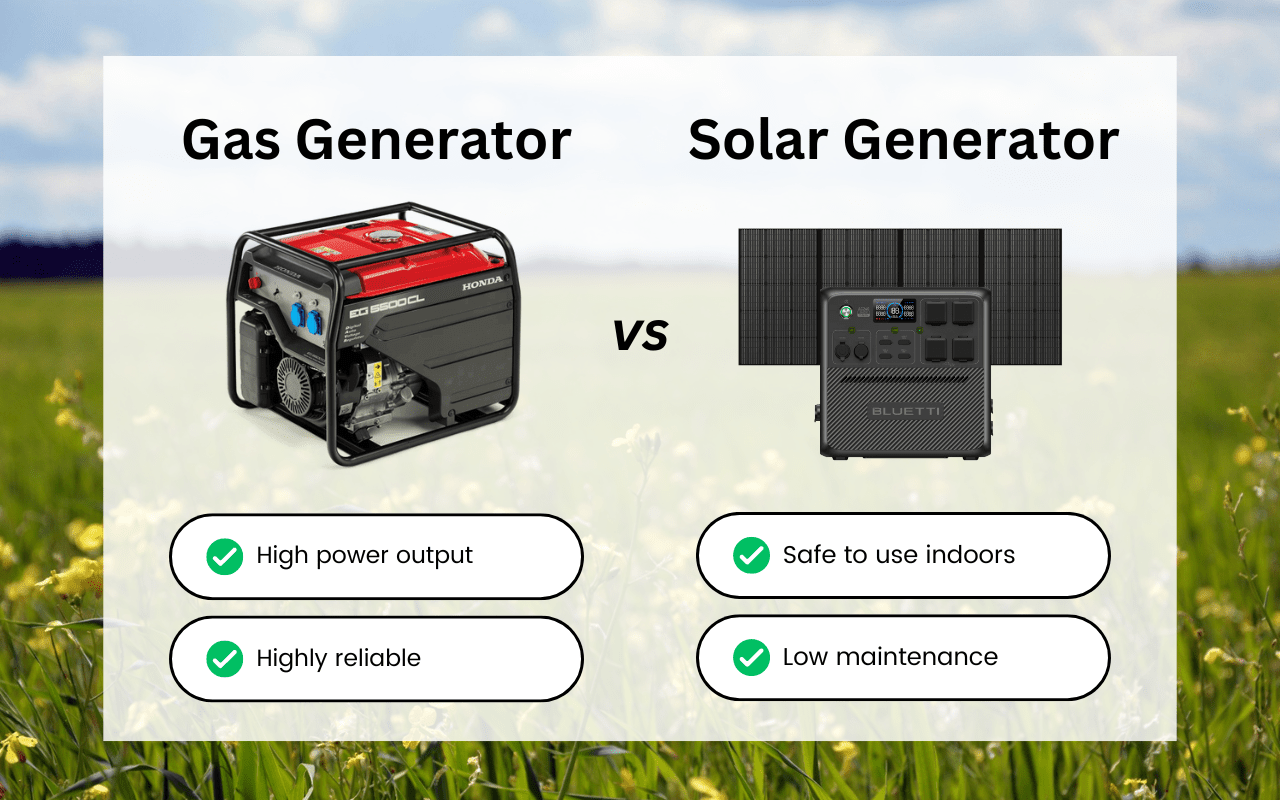
Credit: solartrek.us
Frequently Asked Questions
What Is A Solar Generator?
A solar generator uses sunlight to create electricity. It converts solar energy into usable power.
How Does A Gas Generator Work?
A gas generator burns fuel, like gasoline, to produce electricity. It uses an engine to convert fuel energy into power.
What Are The Benefits Of Solar Generators?
Solar generators are quiet, clean, and renewable. They reduce carbon footprint and have low maintenance costs.
What Are The Downsides Of Gas Generators?
Gas generators can be noisy, produce emissions, and require fuel storage. They also need regular maintenance.
Which Generator Is Better For The Environment?
Solar generators are better for the environment. They produce no emissions and use renewable energy.
Can Solar Generators Work At Night?
Solar generators do not work at night. They rely on sunlight and require battery storage for nighttime use.
How Long Do Solar Generators Last?
Solar generators can last 25 years or more with proper care. The solar panels typically have a long lifespan.
Are Gas Generators More Powerful Than Solar Generators?
Gas generators usually provide more power for heavy loads. However, solar generators are great for smaller, everyday tasks.
What Is The Cost Difference Between Solar And Gas Generators?
Solar generators often have higher upfront costs but lower long-term expenses. Gas generators are cheaper initially but require ongoing fuel costs.
Can You Use Both Generators Together?
Yes, you can use both generators together. This hybrid approach offers flexibility and ensures power availability in various conditions.
Conclusion
Choosing between a solar generator and a gas generator matters. Solar generators are quiet, clean, and low maintenance. They work well for small needs and off-grid use. Gas generators offer more power and can run longer. They are best for heavy-duty tasks but can be noisy and polluting.
Your choice depends on your power needs and lifestyle. Consider your environment and budget too. Both options have their strengths. Think carefully about what fits you best. Power your life with the right generator.